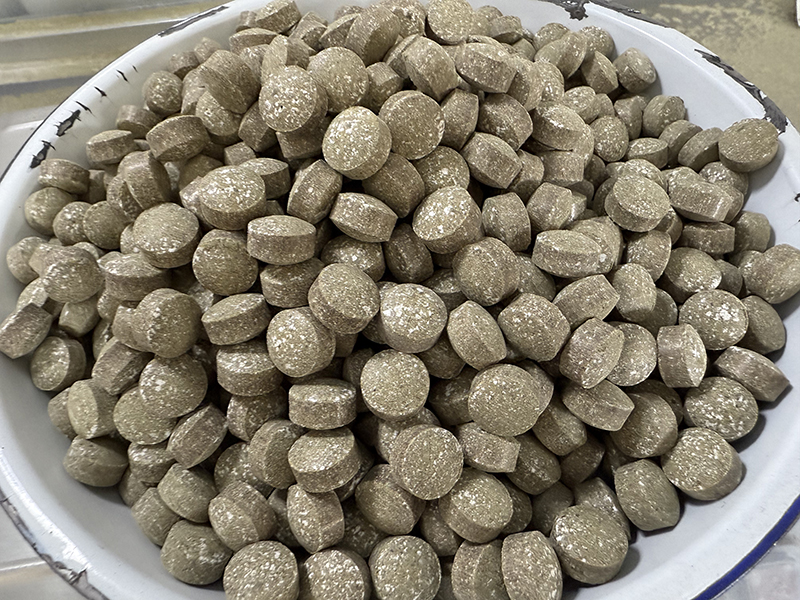
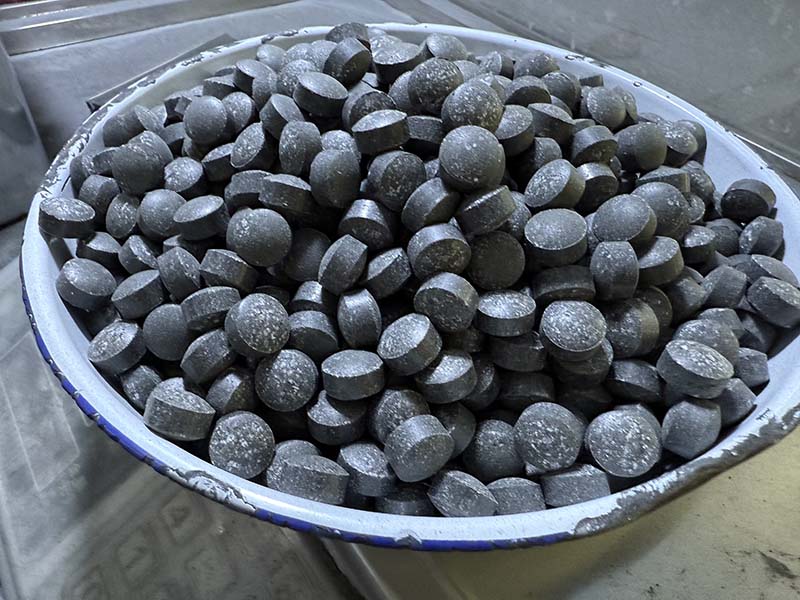
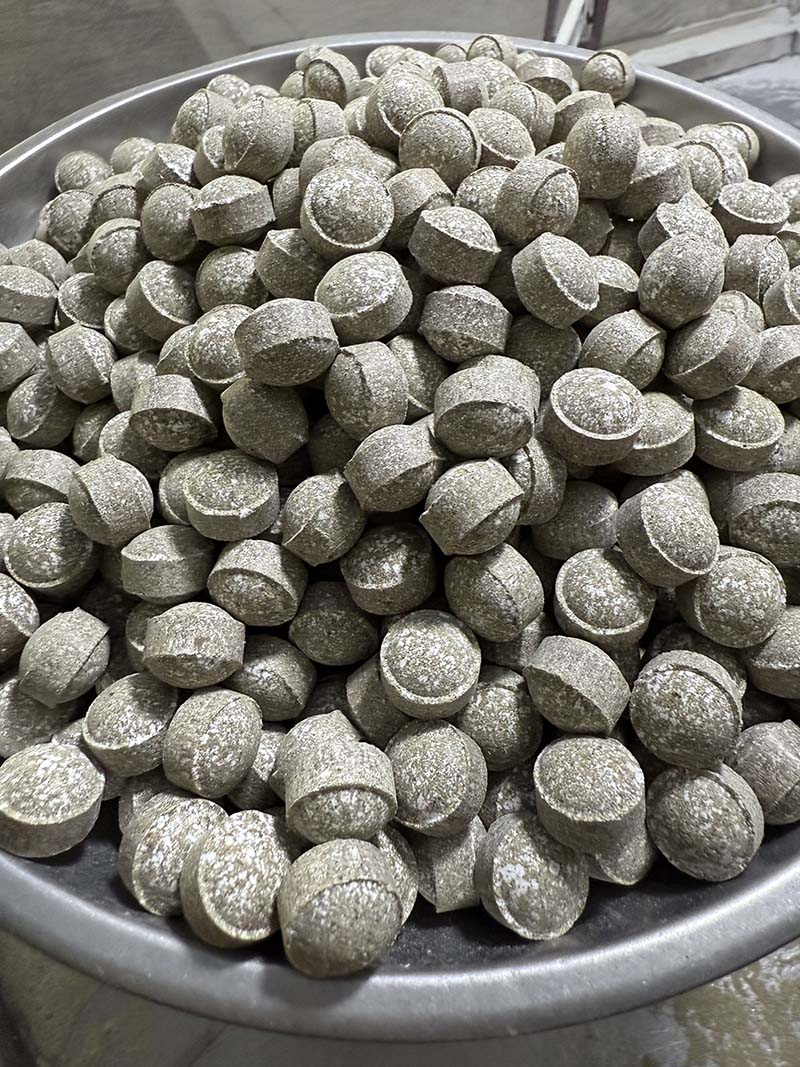
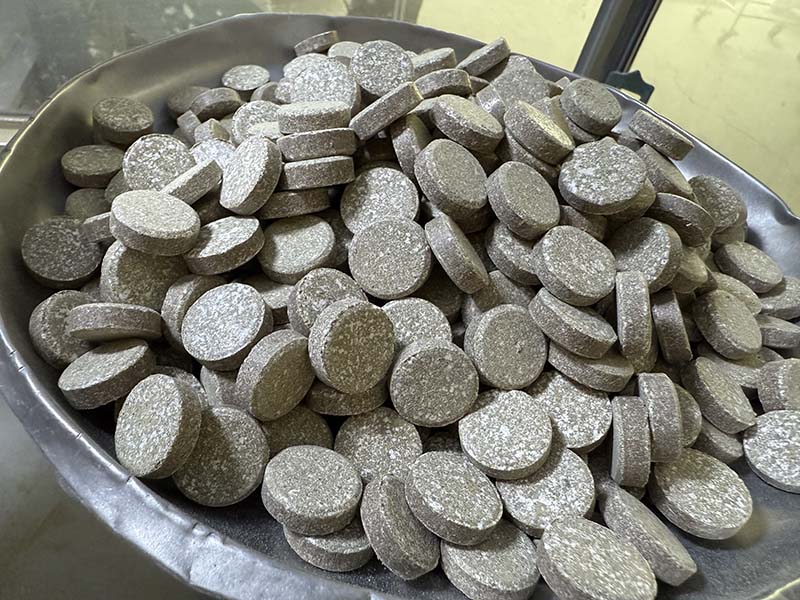
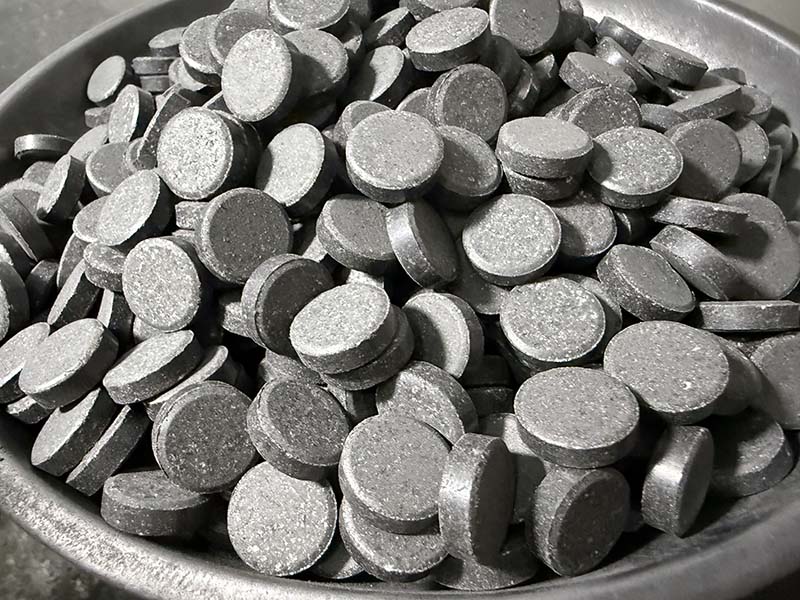
3.0g black flat sheet
Properties and Uses:
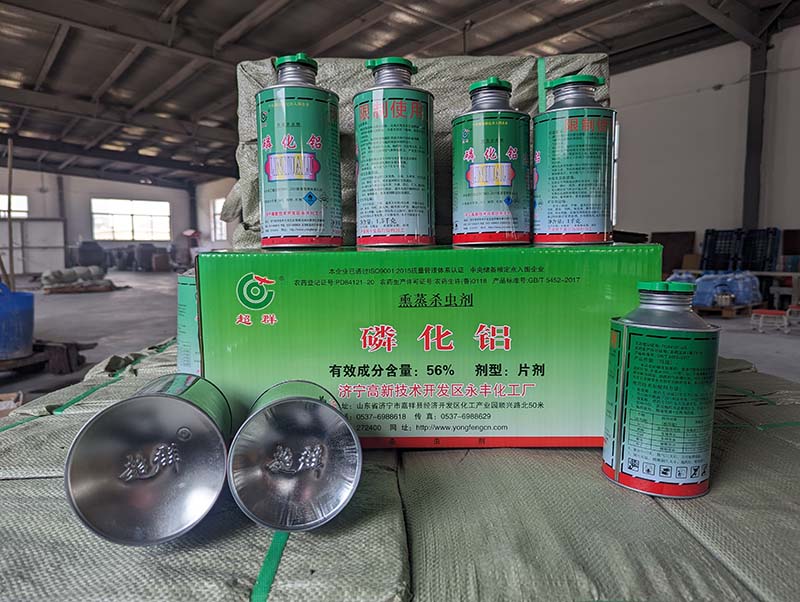
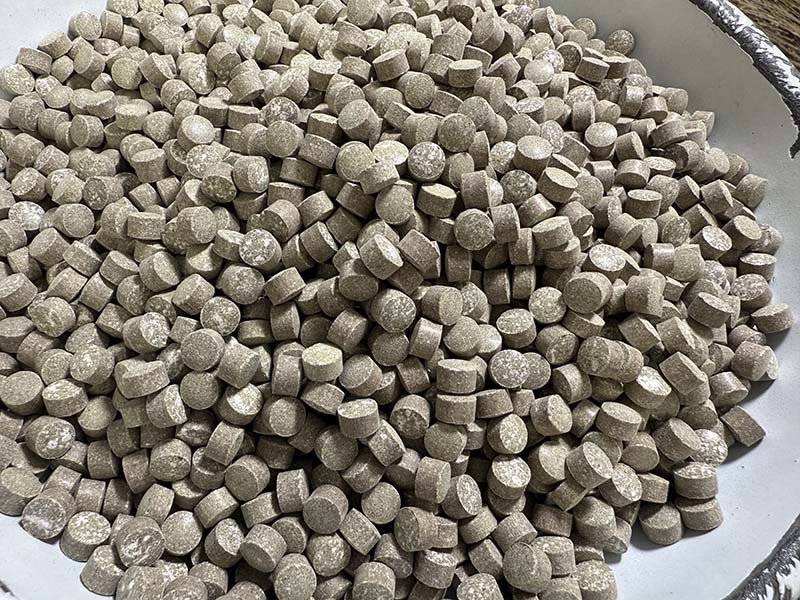
This product is a tablet/pellet made from aluminum phosphide, ammonium carbamate, and other auxiliary materials, with an aluminum phosphide content of ≥56% and a tablet/pellet weight of 3.0±0.05 g/0.6±0.03 g. It can be used for fumigation to eliminate storage pests in grains, seeds, medicinal herbs, tobacco, bamboo products, fur, books, dried fruits, etc., as well as for insect control in forests and fruit trees.
Widely used for its high insecticidal efficiency, cost-effectiveness, and convenience. Aluminum phosphide for grain storage fumigation typically contains 56.0%–58.5% active ingredient, with 3.20g tablets being common. Only 3–7 tablets per ton of grain or 1–4 tablets per cubic meter are needed. Its toxicity primarily stems from rapid decomposition upon contact with water or acid, releasing highly toxic phosphine gas, which is rapidly absorbed. Mixed with ammonium carbamate, it serves as a pesticide and is also used in welding.
Notes:
Aluminum phosphide is a highly toxic insecticide. It must be used strictly according to proper methods, and all operations must be conducted by professionally trained personnel under strict safety measures. Unauthorized personnel are strictly prohibited from handling it!
Operators must wear effective protective equipment such as gas masks, safety goggles, rubber gloves, and long-sleeved work clothes.
2. Strictly seal the fumigation area by closing all doors, windows, and vents to ensure the gas does not leak into living or working spaces.
3. After completing the medication administration, all personnel should evacuate immediately and orderly.
Set up prominent warning signs near the fumigation area.
5. After the fumigation is completed, the area must be fully ventilated before entry is permitted, and operators must still wear full protective gear.
6. Personnel without protective equipment may only enter after confirming that the phosphine concentration in the air is below the safety standard (typically 0.3 ppm) using a phosphine gas detector.
The residue from aluminum phosphide decomposition is mainly a white or grayish-white powder (aluminum hydroxide), which can be buried in deep pits away from water sources and inhabited areas.